Is Aircraft Maintenance Career Good ? Exploring Opportunities in High-Demand Aviation Careers 2026
Summary : Aircraft maintenance is one of the most high-demand aviation careers in the United States today. As airlines expand fleets and older mechanics retire, there is a growing aviation trades workforce shortage. This shortage has made skilled aircraft technicians essential to keep planes safe, reliable, and compliant with aviation safety compliance standards. For people seeking stability and good income, this career offers hands-on experience and the excitement of working directly with aircraft systems.
The profession also supports long-term career advancement in aviation maintenance. Many technicians begin as general mechanics and progress to specialized roles such as jet engine mechanic career or avionics repair. With the right certifications and training, professionals can move into supervisory or management roles, making the field both dynamic and rewarding.
Table of Contents
Considering a Career in Aircraft Maintenance
Choosing a career in aircraft maintenance opens opportunities across commercial airlines, private jets, and military aviation. Technicians play a critical role in daily operations, ensuring planes meet safety requirements. The work is hands-on and involves diagnosing issues, replacing components, and performing system checks. This field is especially attractive for those interested in mechanical problem-solving and technical challenges.
The demand for aircraft maintenance professionals is increasing. With the rise in air travel, airlines and maintenance organizations actively recruit technicians to meet compliance and operational needs. Those entering the field can take advantage of career changer aviation training programs, which provide accelerated paths to certification and employment.
Overview of Aircraft Maintenance Careers
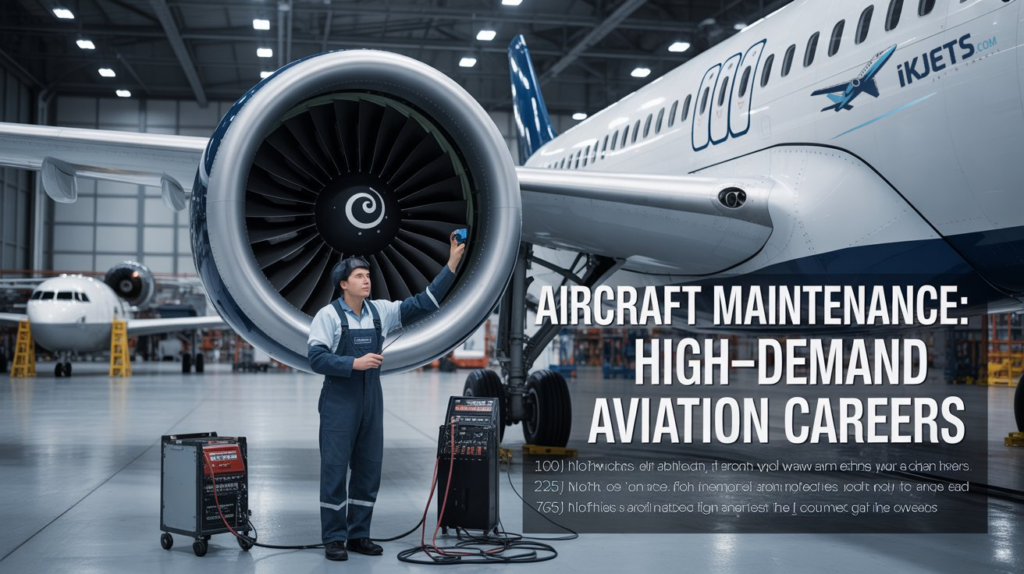
Aircraft maintenance careers are diverse. Some work as airframe and powerplant (A&P) technicians, while others specialize in avionics or propulsion systems. Each role focuses on specific systems, from engines to electrical components. Technicians inspect aircraft, troubleshoot malfunctions, and ensure regulatory compliance. This variety allows individuals to choose paths that match their interests and skills.
Different aviation sectors provide unique career experiences. Military aviation offers rigorous training and structured growth, whereas commercial aviation focuses on fleet management and scheduling efficiency. Private aviation often involves more specialized repairs and client interaction. Across all sectors, technicians contribute to the airline maintenance workforce and support the overall safety and reliability of air travel.
Current Salary Ranges and Job Market Trends
Aircraft maintenance salaries are competitive. Entry-level technicians can expect median pay around $55,000 to $65,000 annually, while experienced A&P-certified mechanics often exceed six figures. High demand and workforce shortages have driven wages higher, especially for specialized skills such as jet engine repair.
| Role | Median Salary (USD) | Experience Level | Region Influence |
|---|---|---|---|
| A&P Technician | $65,000 | Entry | Nationwide |
| Jet Engine Mechanic | $85,000 | Experienced | Urban hubs & airlines |
| Avionics Technician | $75,000 | Mid-level | Airline centers & MROs |
| Airframe Specialist | $80,000 | Experienced | Commercial & private sectors |
With aviation maintenance job growth projected to continue, these roles offer both financial security and a clear career path. Training programs and accelerated FAA-approved programs ensure new technicians can enter the workforce quickly.
Job Stability in the Aviation Industry
Aircraft maintenance is resilient during economic shifts. Even when air travel slows, airlines must maintain fleets for safety and regulatory reasons. Maintenance roles are rarely eliminated, making this a job stability in aviation careers choice for long-term planning.
Fleet expansions and stricter regulations increase the need for trained technicians. Organizations rely on aviation workforce analytics to forecast staffing needs and ensure readiness. This makes technicians essential assets in all segments of aviation.
Work-Life Balance Considerations
Technicians often work shifts, including nights and weekends. Managing fatigue is critical for safety, as hands-on aircraft repair skills require full attention. Many organizations provide training on maintenance error mitigation strategies to reduce errors caused by stress or fatigue.
Some roles involve travel to different airline hubs or maintenance facilities. Learning time management and fatigue planning is essential. Programs focusing on aviation workforce education and training teach strategies to maintain health and balance workload effectively.
Long-Term Growth Opportunities and Career Paths
Long-term growth in aircraft maintenance includes supervisory, quality control, and instructor roles. Experienced technicians can also specialize in advanced systems or predictive maintenance in aviation technologies. Career growth is often linked to certifications, such as FAA A&P certification, which opens doors to higher responsibilities.
Technicians may also participate in aviation apprenticeship programs, gaining real-world experience while earning credentials. Leadership roles allow professionals to shape maintenance processes, implement aviation maintenance workforce planning, and mentor new technicians.
Skills Needed to Succeed in Aircraft Maintenance
A combination of technical and soft skills is essential. Mechanical aptitude, problem-solving, attention to detail, teamwork, and communication all play a role in daily maintenance work. Applying vocational training for aircraft maintenance ensures proficiency in inspections, diagnostics, and repair procedures.
Safety and compliance are critical. Understanding aviation maintenance industry growth, regulatory requirements, and error mitigation strategies allows technicians to contribute to a robust safety culture in aviation. Hands-on experience with engines, avionics, and airframes sharpens skills over time.
From the Classroom to the Hangar
Training programs and technical schools prepare students for real-world maintenance challenges. Simulators, labs, and hands-on exercises bridge theory with practical work. These programs often align with aircraft mechanic training programs and FAA-approved curriculums.
12 Essential Skills Covered in Jet Engine Mechanic Courses
Apprenticeships and partnerships with airlines provide on-the-job learning. Students develop practical skills while observing aviation workforce trends and operational workflows. Such immersive experiences increase employability and readiness for full-time technician roles.
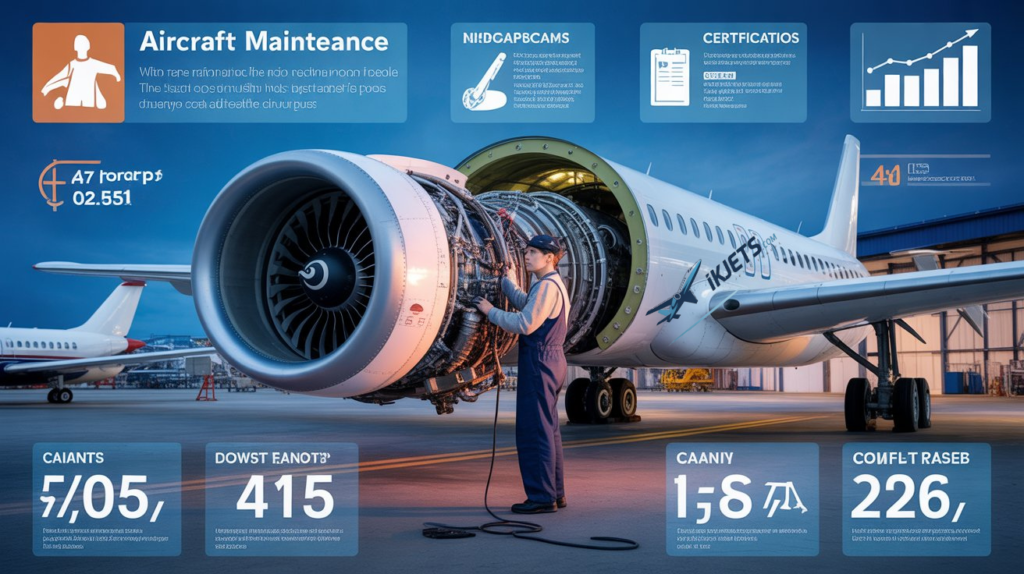
Jet engine courses cover inspection techniques, system troubleshooting, assembly procedures, safety protocols, and maintenance workflow optimization. Students gain expertise in engine diagnostics, lubrication systems, and performance testing.
Other skills include precision measurement, maintenance error mitigation strategies, understanding engine schematics, and compliance with aviation safety compliance rules. Graduates are prepared to tackle complex maintenance tasks while contributing to overall aviation safety.
Conclusion
Aircraft maintenance is a career with strong earning potential, stability, and growth opportunities. The aviation maintenance job market is expanding, fueled by retirements and fleet growth. Career-changers and aspiring technicians benefit from accelerated FAA-approved programs, hands-on training, and real-world experience.
With proper education, certification, and attention to aviation maintenance workforce planning, technicians can build rewarding, high-demand careers. Their work ensures every flight operates safely, reliably, and efficiently, making aircraft maintenance one of the smartest career choices today.
FAQs
Is aircraft maintenance a good career?
Yes, aircraft maintenance is a highly stable and high-demand aviation career. Technicians enjoy competitive salaries, hands-on work, and strong long-term growth opportunities, especially with FAA A&P certification.
How much does an aircraft maintenance technician make?
The median salary ranges from $55,000 to over $100,000 annually, depending on experience, location, and specialization. Specialized roles like jet engine mechanic career often earn more.
What skills are required for aircraft maintenance?
Technicians need mechanical aptitude, problem-solving, teamwork, attention to detail, and compliance with aviation safety compliance. Hands-on experience is critical for maintenance workflow optimization.
How can career changers enter aircraft maintenance?
Career changers can enroll in accelerated FAA-approved programs or career changer aviation training to earn certification quickly and join the workforce with real-world skills.
Is there a shortage of aircraft maintenance technicians?
Yes, the U.S. faces a growing aviation trades workforce shortage, making trained technicians highly sought-after with strong job stability.