Body Art Safety Guide In 2026: Health Effects, Risks, and Trends of Piercings and Tattoos in America
Summary : Body art, including tattoos and piercings, has transcended its subcultural roots to become a mainstream form of self-expression in the United States. Social media platforms, celebrity endorsements, and pop culture trends have fueled its popularity, making body art a visual language that communicates individuality, creativity, and personal stories. Today, understanding the health risks, safety measures, and trends associated with body art is crucial for both newcomers and enthusiasts, ensuring safe and informed choices.
From intricate sleeve tattoos to minimalist ear piercings, Americans of all ages embrace body art as a form of identity and art. With the rise of urban studios and boutique tattoo parlors, professional body art practices prioritize hygiene, proper aftercare, and certified materials, helping reduce risks. This guide examines body art comprehensively, offering insights into safety, medical research, legal requirements, and cultural significance.
Table of Contents
From Ancient Tribes to Modern America
Tattoos and piercings are far from modern inventions. Ancient civilizations like the Polynesians, Egyptians, and Native Americans used body modifications to symbolize spirituality, status, or rites of passage. In America, tattoos became widely popular during the late 20th century, evolving from sailor and biker culture into mainstream expression, while piercings shifted from ears to various facial and body locations.
Modern body art combines artistry and personal storytelling. Iconic figures like David Beckham and Rihanna have made tattoos a global phenomenon, influencing youth trends. Studios began emphasizing sterile techniques, certified inks, and professional equipment, reflecting both a respect for tradition and a commitment to safe, contemporary practices.
Types of Body Art: Piercings, Tattoos, and Cosmetic Modifications
Body art encompasses a wide range of modifications, from ear and nose piercings to full-body tattoos and microblading. Cosmetic tattooing, such as eyebrow enhancements or lip pigmentation, has emerged as a hybrid of beauty and medical art. Each form presents unique health considerations, requiring awareness of techniques, materials, and aftercare.
Piercings vary from simple cartilage studs to dermal anchors, while tattoos range from small designs to full sleeves or 3D effects. Understanding the differences in healing times, infection risks, and proper maintenance helps enthusiasts choose modifications safely and maintain the longevity of their body art investments.

Medical Research on Postural Stability
Recent studies suggest that certain piercings, especially extensive ear or body piercings, may influence posture or balance in subtle ways. Research using Romberg and stabilometric tests shows that modifications can temporarily affect equilibrium, particularly during initial healing. While risks are minimal, medical supervision ensures safer practices.
Clinical research emphasizes professional procedures and hygiene protocols as critical for reducing complications. This evidence underlines why a thorough body art safety guide is essential for enthusiasts, helping mitigate medical and aesthetic risks while preserving artistic freedom.
Common Health Risks of Piercings and Tattoos
Tattoos and piercings carry inherent risks, including infection, excessive bleeding, nerve damage, and skin trauma. Improper sterilization or untrained artists significantly increase these risks. Following a body art safety guide reduces hazards by highlighting approved studios, proper equipment, and licensed artists.
Skin irritation and scarring are common, but severe outcomes, like hepatitis transmission or cellulitis, can occur without proper care. Awareness of these risks ensures informed decisions, empowering enthusiasts to enjoy body art safely without compromising long-term health.
Infection, Allergies, and Long-Term Medical Complications
Allergic reactions to tattoo pigments or metals in jewelry are frequent, particularly with nickel or synthetic inks. Chronic infections, keloid formation, and delayed healing are documented complications. Trusted organizations, including Centers for Disease Control and Prevention, provide guidelines for minimizing these risks.
Long-term complications also include ink migration or skin hyperpigmentation. Proper aftercare, sterile instruments, and high-quality materials mitigate most of these issues, underscoring the importance of research-backed safety practices in modern body art.
Choosing Certified Studios and Artists
Selecting a certified studio and skilled artist dramatically reduces the likelihood of health issues. Look for licenses, sterilization protocols, transparent portfolios, and positive reviews. Avoid unregulated locations or home-based setups to ensure safe body art experiences.
Professional studios adhere to hygiene standards like autoclaving, using disposable needles, and wearing gloves. These precautions, outlined in any thorough body art safety guide, protect against infections, allergic reactions, and long-term complications.
Materials and Methods Used in Professional Procedures
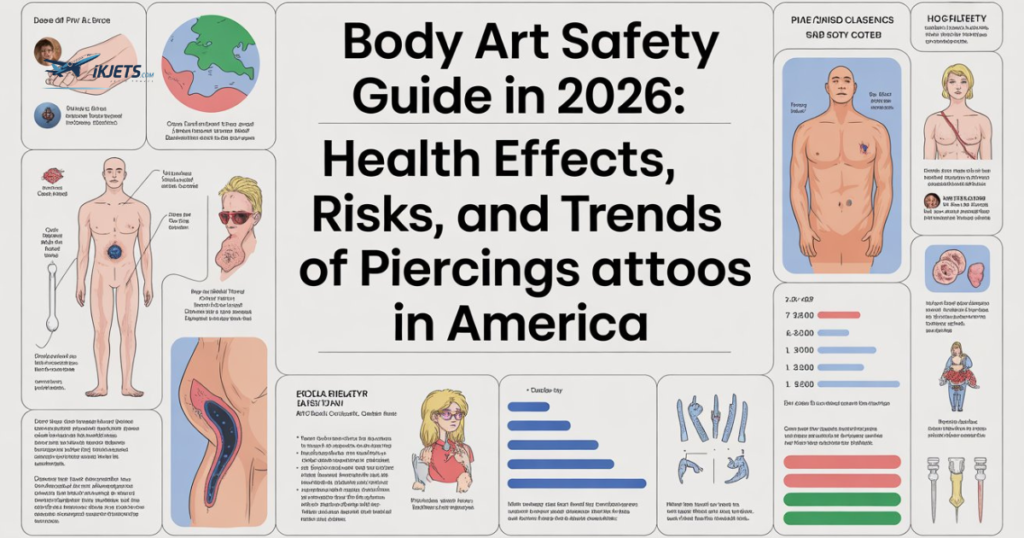
Professional body art uses high-grade materials: surgical steel jewelry, certified inks, and autoclaved equipment. Techniques like tattoo machines, dermal punches, and cosmetic micropigmentation require precision and proper sanitation.
Choosing quality materials minimizes skin reactions and promotes healing. Understanding materials, tools, and sterilization processes is essential for anyone considering tattoos, piercings, or cosmetic modifications.
Statistics in American College Students and Young Adults
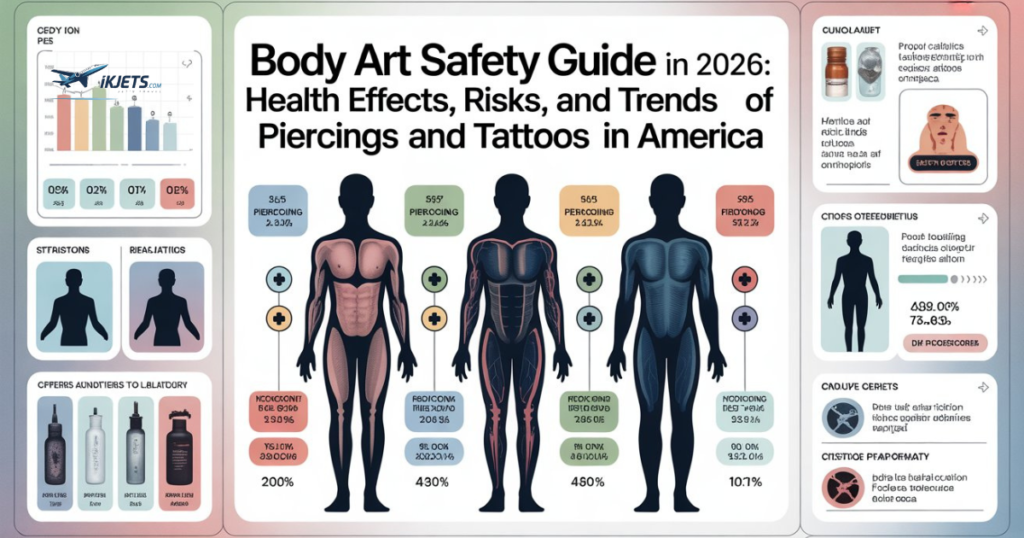
Studies reveal that over 30% of American young adults and college students have at least one tattoo or piercing. Gender trends show increasing female participation in facial piercings, while male students favor larger body tattoos. Urban areas exhibit higher prevalence due to cultural influence and accessible studios.
These statistics highlight how body art has integrated into everyday American life. Awareness of trends ensures safe choices and realistic expectations for newcomers and collectors alike.
Psychological Reasons People Choose Body Art
Body art is often a tool for self-expression, commemoration, and identity formation. Tattoos may memorialize loved ones, reflect personal struggles, or signify group belonging. Piercings provide subtle yet meaningful aesthetic choices that communicate personality.
Psychological research shows that body art can increase self-confidence and reinforce personal narratives. Understanding motivations helps studios provide ethical guidance and safe, informed services.
Cultural Meaning of Tattoos and Piercings in Modern Society
Tattoos and piercings convey social, spiritual, and cultural messages. For instance, tribal-inspired designs celebrate heritage, while contemporary art tattoos showcase creativity and individuality. Piercings can denote fashion trends, personal rebellion, or identity markers.
American society has gradually embraced body art, with previously taboo modifications becoming mainstream. Recognizing cultural significance ensures body art is appreciated responsibly, balancing expression with societal norms.
Body Art and Workplace Acceptance in the USA
Corporate policies increasingly accept visible tattoos and piercings, especially in creative industries. However, some sectors, like banking or law, still impose conservative dress codes. Understanding employer expectations and regional standards ensures professional compliance while allowing personal expression.
Education campaigns and cultural shifts support inclusivity, helping employees navigate self-expression and career growth without compromising safety or appearance standards.
Aftercare Tips for Tattoos and Piercings to Prevent Problems
Proper aftercare is vital for healing and infection prevention. Cleanse the area with mild antiseptics, avoid submerging new tattoos in pools, and apply recommended ointments. For piercings, rotate jewelry gently and maintain hygiene.
Following these guidelines reduces redness, swelling, and scarring. A detailed body art safety guide ensures enthusiasts know what to do in the critical first weeks after procedures.
Legal Rules and Age Restrictions for Body Art in America
US law requires parental consent for minors under 18 and mandates studio licensing. Age restrictions and regulations vary by state, with stricter rules in regions like Texas and New York.
Legal compliance protects minors and ensures studios meet hygiene and professional standards. Understanding body art legislation avoids fines, unsafe practices, and health risks.
Future Trends of Body Art and What Experts Predict
Experts predict growth in temporary tattoos, UV-reactive inks, and AI-assisted tattoo designs. Digital tools help artists plan precise body modifications, while safer inks and improved techniques reduce medical risks.
Future trends emphasize customization, minimalism, and enhanced safety. Body art will continue to evolve as both a cultural statement and a medical-conscious art form.
Common Mistakes People Make Before Getting Tattoos
Choosing unlicensed studios, ignoring aftercare instructions, or selecting untested pigments are common errors. Beginners often underestimate healing times and post-procedure hygiene. Following a professional body art safety guide prevents long-term skin damage, infections, and unnecessary complications.
Conclusion
Body art in America represents more than aesthetics; it embodies self-expression, culture, and personal storytelling. Awareness of health risks, safe procedures, and legal guidelines ensures that tattoos and piercings remain both beautiful and safe. By following professional advice, understanding cultural significance, and practicing diligent aftercare, enthusiasts can enjoy body art without compromise.
FAQs:
Are tattoos safe for everyone?
Tattoos are safe for most healthy individuals but require proper studio hygiene, sterile equipment, and certified inks to prevent infections.
Can piercings cause long-term health issues?
If improperly done, piercings can lead to infections, allergic reactions, or scarring, but professional studios minimize risks.
Do minors need parental consent for body art?
Yes, most US states require parental consent for anyone under 18, with some states enforcing strict studio regulations.
How should I care for a new tattoo or piercing?
Clean daily with mild antiseptic, avoid pools, follow artist instructions, and watch for redness, swelling, or infection.
Are tattoos accepted in workplaces?
Acceptance varies; creative fields are flexible, while conservative sectors may have policies regarding visible tattoos or facial piercings.