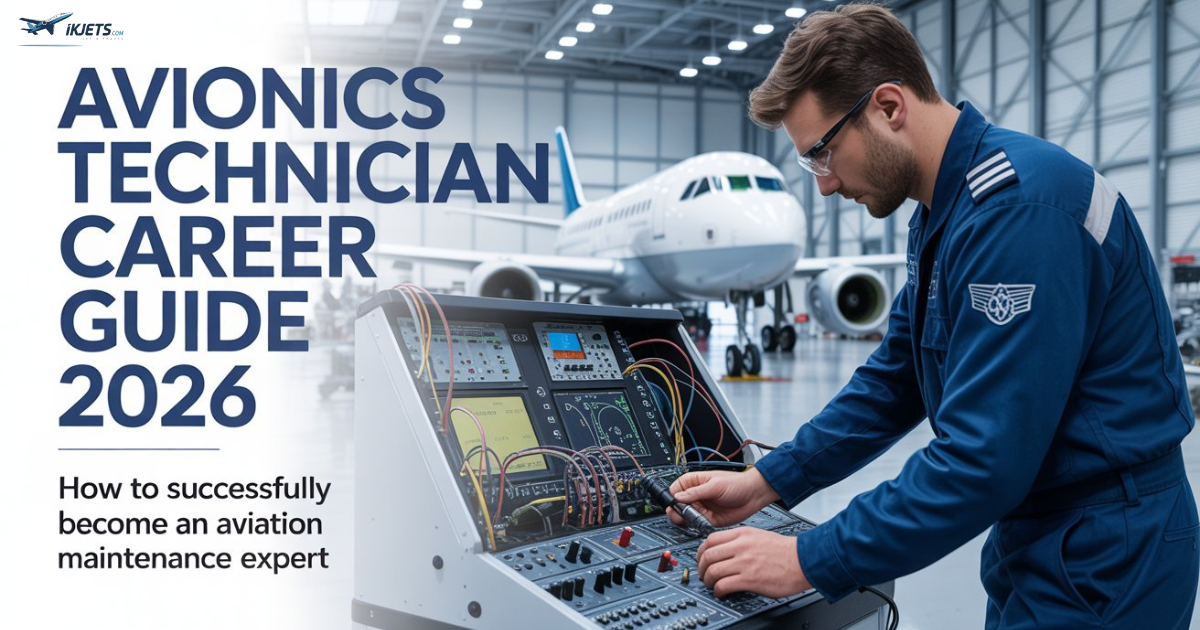
Aviation Technician Career Guide 2026: How to Successfully Become an Aviation Maintenance Expert
Summary: The Aviation Technician career is one of the fastest-growing and most critical roles in aviation. Modern aircraft rely on advanced electronic systems rather than just mechanical engines, making technicians essential for Aircraft electronics maintenance. They install, repair, and inspect systems that manage navigation, communication, and flight controls. Training through an Aviation maintenance school and completing FAA certification programs equips technicians with the hands-on skills and knowledge needed for this role. From working in airline maintenance operations to aircraft hangar maintenance, this career offers long-term stability, competitive pay, and exciting opportunities as aviation technology continues to evolve in 2026.
In 2026, airlines, defence contractors, and private operators compete for skilled avionics professionals. This guide explains what you need, how to prepare, and where the best opportunities live. Consider it a practical roadmap into an aircraft-focused technical profession that keeps America flying safely.
Table of Contents
What Does an Avionics Technician Do in 2026?
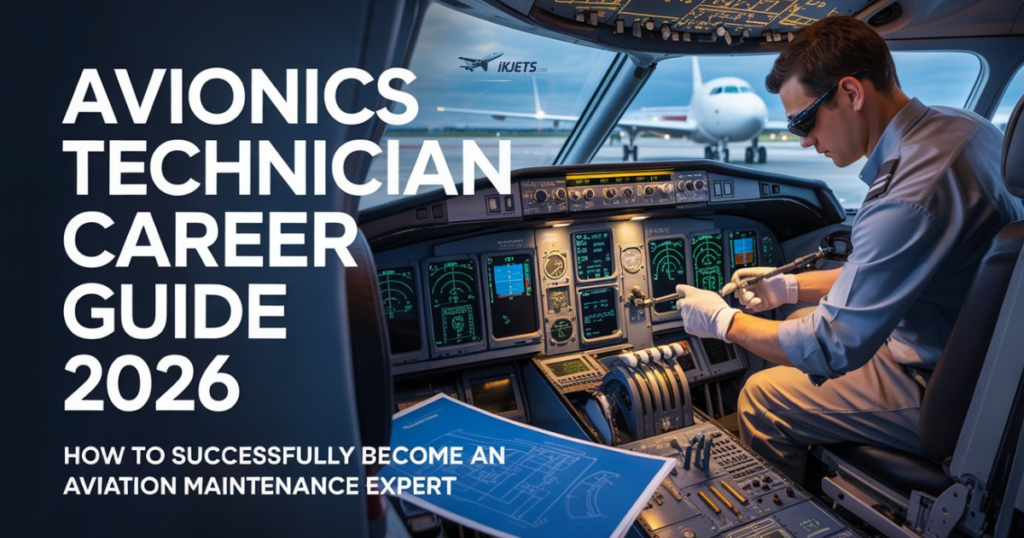
A modern Avionics Technician ensures that every aircraft system functions safely and efficiently. These technicians handle navigation and communication systems, flight control systems, and autopilot systems, performing precise diagnostics and troubleshooting. The work combines electronics, software, and hardware integration to support safe flight operations.
Daily responsibilities include inspecting Electronic Flight Instrument Systems (EFIS), updating flight management systems, and calibrating sensors. Technicians use tools like multimixers and oscilloscopes to test circuits and maintain aircraft instrumentation, ensuring compliance with FAA safety regulations.
Key Systems Avionics Technicians Work On
Technicians work on systems including radar and autopilot repair, Heads-up display (HUD), Terrain awareness and warning system (TAWS), and communication radios (VHF/UHF). Expertise in software and hardware integration allows them to diagnose faults quickly. They also work with wiring diagrams, technical schematics interpretation, and calibration tasks to keep aircraft safe.
Why the Avionics Technician Career Path Is Booming in the USA
The demand for avionics technicians in the U.S. continues to rise due to an aging workforce, expanding airline fleets, and the integration of advanced avionics technology. Aircraft maintenance job growth is strongest in states with large airline hubs and military bases.
Opportunities exist across commercial, private, and military aviation. Airlines now prioritize technicians skilled in Avionics installation and integration over traditional mechanical roles, offering a stable and lucrative career path.
Required Skills to Succeed as an Avionics Technician
To thrive, technicians need strong mechanical aptitude, proficiency in electrical and electronic principles, and the ability to work with computer hardware and software for avionics. Understanding aviation mathematics and physics and composite materials skills is also essential.
Top professionals excel in technical troubleshooting, diagnostics, and interpreting maintenance documentation. Soft skills like attention to detail and problem-solving help them succeed in fast-paced aircraft repair facilities and airline maintenance operations.
Education Pathways for Avionics Technicians in the United States
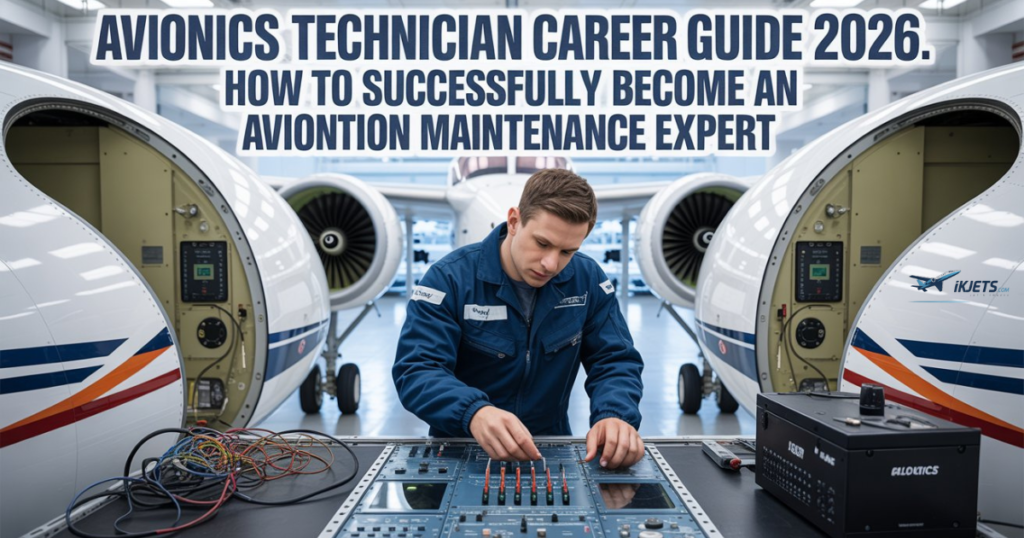
Most technicians start at an FAA-Approved Aviation Maintenance Technician School or Aviation maintenance school, which offers courses in aviation electronics training and hands-on labs. Students can pursue an aviation technology degree or complete aircraft trade school courses focused on Aircraft electronics maintenance.
Programs teach critical skills in software and hardware integration, electrical circuit testing, and working with flight instrument systems. These pathways prepare graduates for FAA licensing exams and entry-level avionics roles.
FAA Certification and Licensing Explained
The Federal Aviation Administration (FAA) oversees all aviation certifications. Technicians typically earn FAA airframe mechanic or FAA powerplant mechanic credentials. Advanced professionals may pursue Inspection authorization (IA) or work with a Designated Airworthiness Representative (DAR). Certification involves FAA exams: written, oral, practical, ensuring technicians meet national safety standards..
How to Become an Avionics Technician Step-by-Step
Start with formal education in electronics or aviation, followed by supervised on-the-job training. Many gain experience through military aviation electronics training or internships at airlines. After FAA certification, entry-level roles include avionics line maintenance technician, avionics bench technician, or avionics system technician.
Building skills gradually and focusing on hands-on experience ensures success. The Avionics Technician Career Guide 2026 emphasizes continuous learning due to rapid technological advancements in aircraft systems.
Avionics Technician Salary Expectations in 2026
Salary varies by experience, location, and specialization. Entry-level technicians typically earn around $55,000, while mid-level technicians earn $78,000. Senior or specialized technicians in top hubs can exceed $105,000 annually.
| Experience Level | Average Annual Pay |
|---|---|
| Entry Level | $55,000 |
| Mid-Level | $78,000 |
| Senior Specialist | $105,000+ |
Best States in the USA for Avionics Technician Jobs
States with major airline hubs like Texas, Florida, California, and Washington offer the most opportunities. Défense contractors also hire heavily in these regions. Lower-cost states may offer good salaries and less competition. Evaluating airline maintenance operations and aircraft hangar maintenance opportunities is key to choosing the right location.
Career Growth and Specialization Options
Avionics technicians can advance into lead mechanic or supervisor roles, inspection positions, or aerospace engineering support. Specializations include avionics installation technician, automatic pilot mechanic, and aircraft instrument mechanic. Career advancement increases earning potential and job security, making it a rewarding long-term path.
Tools, Technology, and Work Environment
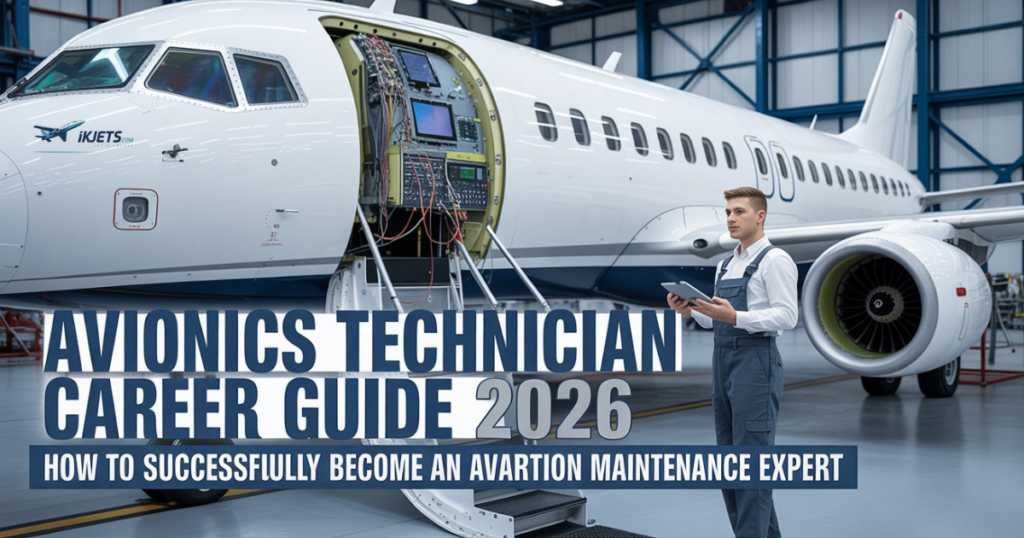
Technicians rely on aviation maintenance tools and equipment, including multimixers, oscilloscopes, and specialized testing systems. Work environments range from aircraft repair facilities to fast-paced line maintenance settings. Safety and accuracy are essential, as errors can impact aircraft safety and airworthiness.
Is an Avionics Technician Career Right for You?
This career suits detail-oriented, curious, and tech-savvy individuals. Working in aircraft electronics requires patience, precision, and ongoing learning. Technicians contribute directly to aviation safety while enjoying stable, well-paid employment across commercial, private, and military aviation.
Conclusion
The Avionics Technician career offers strong growth, job security, and competitive salaries in 2026. Completing FAA certification programs and hands-on training at an Aviation maintenance school prepares you for work with Aircraft electronics maintenance, navigation and communication systems, and complex flight control technology. Technicians play a vital role in keeping aircraft safe and efficient. With ongoing technological advancements, this career provides long-term opportunities, professional respect, and exciting challenges for anyone passionate about aviation and electronics.
FAQs:
What is an avionics system technician?
An avionics system technician installs, tests, and repairs aircraft electronic systems.
Is avionics technician a good career?
Yes, it offers high demand, job security, and strong pay.
How much is the salary of avionics?
Technicians earn between $55,000 and $105,000 annually in the U.S.
What qualifications do you need to be an avionics technician?
You need formal avionics training and FAA certification.
What is the highest salary for avionics technicians?
Senior or specialized technicians can earn over $120,000 per year.