Evolution of Street Art: 7 Inspiring Ways Graffiti Transformed Urban Culture
Summary : Evolution of Street Art: 7 Inspiring Ways Graffiti Transformed Urban Culture Graffiti and street art have profoundly shaped urban culture, turning ordinary walls into vibrant storytellers of a city’s history, struggles, and creativity. From ancient markings in Rome to the subway trains of 1960s New York, these artistic forms have evolved, blending rebellious expression with sophisticated techniques. The rise of contemporary street artists transformed an outlawed activity into a global phenomenon that now fuels neighborhoods, galleries, and cultural tourism alike.
The story of graffiti and street art is more than visuals on walls. It reflects the identities, passions, and challenges of communities. Through street art murals, modern urban art, and symbolic expressions, urban spaces have become interactive canvases, connecting residents, tourists, and art collectors in ways never imagined.
Table of Contents
The Origins of Graffiti
Graffiti first gained attention in the streets of Philadelphia and New York during the 1960s and 70s. Artists like Darryl “Cornbread” McCray began tagging their names as a statement of identity, moving beyond gang affiliations to personal expression. This era laid the groundwork for the graffiti art movement and showed how public spaces could become venues for creative voices.
The emergence of hip-hop culture further amplified graffiti’s influence. As music, dance, and style thrived in urban centers, graffiti became an essential element of urban culture. Artists turned subways, building walls, and bridges into dynamic galleries that reflected social, political, and cultural commentary, giving a platform to marginalized communities.

Graffiti vs. Street Art
Although often used interchangeably, graffiti and street art differ in purpose and execution. Graffiti typically emphasizes stylized letters, tags, and signature symbols, employing spray paint techniques to assert identity or crew recognition. Its focus remains on visibility and public placement.
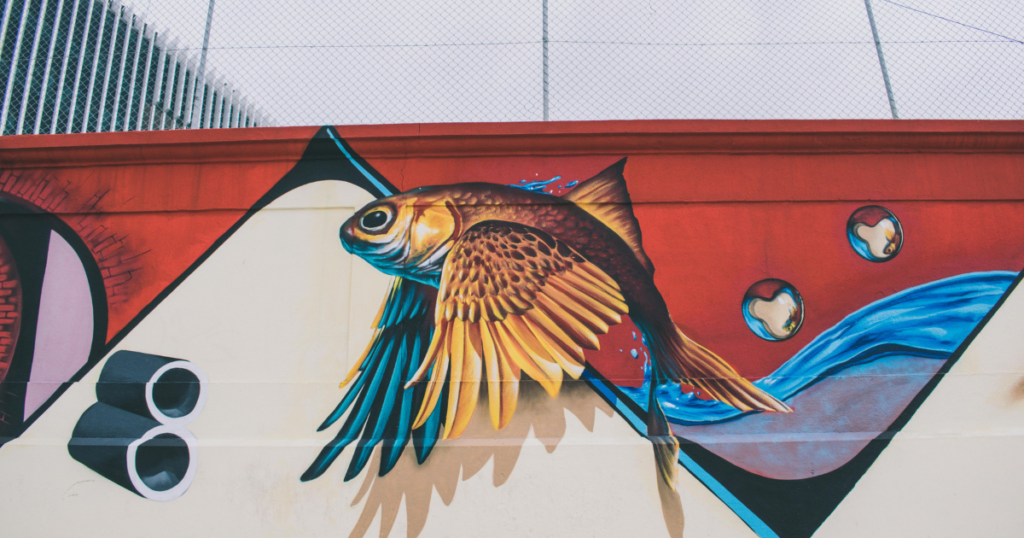
Street art, however, encompasses a broader range, including murals, stencils, wheatpaste posters, and installations. Its aim often extends to storytelling, social commentary, and community engagement. Techniques like stencil art and mixed media street art allow artists to deliver complex messages that resonate with audiences and enhance public spaces.
From Vandalism to Recognition
For decades, graffiti faced rejection. Cities labeled it vandalism, launching campaigns to remove it from public spaces. Despite this, modern urban art gradually gained recognition as galleries, museums, and collectors appreciated its cultural significance. Artists like Jean-Michel Basquiat and Keith Haring transitioned their work from streets to galleries, legitimizing the graffiti art movement.
The bold visuals and expressive energy of these artists demonstrated the potential of street art murals to communicate cultural narratives. Their work highlighted urban art’s ability to challenge traditional perceptions of creativity while providing insight into the artist creative journey of marginalized communities.
Prominent Graffiti Artists
Jean-Michel Basquiat began as SAMO, tagging New York’s East Village with cryptic messages. His transition into galleries fused graffiti’s raw energy with themes of race, identity, and power. Basquiat’s collaborations with Andy Warhol redefined boundaries between street and high art, influencing generations of contemporary street artists.
Keith Haring took inspiration from subway chalk drawings and public walls, creating street art murals that combined playful figures with bold social activism. His art addressed AIDS awareness, apartheid, and LGBTQ+ rights, demonstrating how graffiti could serve as both aesthetic and advocacy tools.
Other Influential Street Artists
Banksy street art introduced political satire to urban walls, while Shepard Fairey created iconic imagery like the Obama “Hope” poster. Futura 2000 innovated abstract graffiti techniques, blending text and imagery, and collaborating with major brands. Lady Pink emerged as a pioneering female presence, incorporating spiritual and feminist themes. These figures collectively expanded the graffiti art movement beyond New York, making it global.
Graffiti and Street Art Today
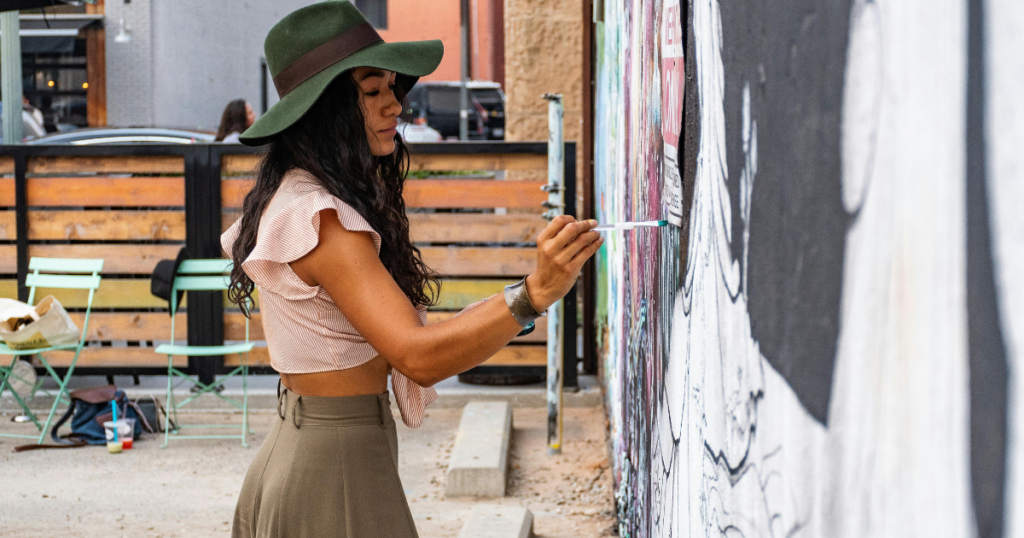
Today, graffiti and street art flourish worldwide, balancing subcultural roots with mainstream acceptance. Cities commission large-scale murals, transforming districts into cultural hubs and boosting tourism. Public spaces like Los Angeles graffiti hotspots and Wynwood Walls Miami exemplify how urban areas can embrace art to enhance identity, community, and economy.
Neighborhoods like Shoreditch in London and Berlin’s East Side Gallery show how street art murals integrate history, politics, and cultural diversity. Legalized walls encourage experimentation, while street festivals and exhibitions provide emerging artists a platform to showcase skills and gain recognition.
The Birth of Modern Graffiti
Modern graffiti began with Philadelphia artist Cornbread, who pioneered personal tagging beyond gang symbols. As graffiti spread to New York, artists like Taki 183 and Julio 204 developed intricate street lettering styles, shadows, and vibrant compositions. These innovations marked the transition from simple tags to sophisticated urban art composition seen today.
The Rise of Street Art
The 1980s and 90s elevated graffiti into galleries and museums. Jean-Michel Basquiat and Keith Haring set examples for bridging street art with fine art. Later, artists like Banksy and Mr. Brainwash combined social commentary with bold visuals, transforming streets into spaces for reflection and creativity.
Their work encouraged cities to view graffiti as cultural assets. Events like street art festivals, public commissions, and gallery exhibitions promoted emerging graffiti artists, expanding opportunities and increasing the value of graffiti as cultural asset.
Notable Urban Art Destinations
Los Angeles graffiti hotspots feature legal walls that inspire innovation while Wynwood Walls Miami showcases large-scale murals by international talent. London’s Shoreditch and Brick Lane offer diverse street art murals, blending creativity with tourism. Berlin’s East Side Gallery preserves history while encouraging ongoing artistic evolution.
| City | Notable Sites | Highlights |
|---|---|---|
| Los Angeles | Venice Public Art Walls | Legal graffiti space for artists worldwide |
| Miami | Wynwood Walls | Large-scale murals during Art Basel |
| London | Shoreditch, Brick Lane | Tours and interactive street art scenes |
| Berlin | East Side Gallery | Murals on Berlin Wall remnants |
Art Market and Investment
Graffiti art prices have risen, and collectors now view street art murals as valuable investments. Auction houses showcase works by Banksy street art and Basquiat, reflecting emerging street art value. Cities and galleries increasingly provide opportunities for buying urban artists while appreciating the cultural significance of modern urban art.
Conclusion
The journey of graffiti and street art reflects the evolution of urban culture, from rebellious expression to recognized artistry. Through street art murals, public engagement, and the influence of contemporary street artists, cities worldwide have been transformed into living galleries. Today, graffiti represents identity, creativity, and resilience, showing the enduring power of modern urban art.
Street art has grown from hidden alley sketches to a proud global voice of urban culture. Artists like Jean-Michel Basquiat, Keith Haring, and Banksy proved that graffiti can inspire change and beauty. Today, murals shape cities, tell stories, and connect people across cultures. Street art now stands as a creative symbol of hope, identity, and community pride.
FAQs
What is street art?
Street art is visual art made in public spaces using paint, stencils, murals, or mixed media. It often shares social messages and reflects local culture.
Why is graffiti important in urban culture?
Graffiti gives a voice to communities and youth. It turns plain walls into storytelling spaces.
Is street art legal?
Some street art is legal when artists have permission. Illegal graffiti without consent can lead to fines.
Who are famous street artists?
Well-known names include Banksy, Keith Haring, and Jean-Michel Basquiat. They helped make street art respected worldwide.
Can street art be valuable?
Yes, collectors now buy urban art pieces. Some murals and prints sell for thousands of dollars.