Culture Transformed: 12 Powerful Ways Street Art Has Shaped Urban Life in America
Street art culture in America has grown from graffiti began as youth expression in cities to a sophisticated cultural movement that redefines urban landscapes. Initially dismissed as vandalism, street art transformed urban walls into storytelling platforms, offering communities a visual voice that speaks about identity, politics, and shared experiences. Today, murals, stencils, and installations are celebrated as public art, bringing vibrancy and life to previously neglected streets and neighborhoods.
Street art connects communities and culture, making cities not just functional spaces, but living galleries.
Beyond aesthetics, street art reflects social struggles, historical narratives, and cultural pride. Cities from New York to Los Angeles now embrace it as part of their identity, hosting street art festivals attract tourism and encouraging artists to reclaim public spaces. Its evolution has turned city streets into open-air classrooms where creativity and activism merge, proving that artistic expression is more than decoration—it is a tool for civic engagement and urban renewal.
Table of Contents
The Origins of Graffiti culture in New York and Philadelphia
The roots of graffiti in the United States trace back to the 1960s and 70s, particularly in New York City and Philadelphia. Young artists, often teenagers, began leaving their tags and murals on subway cars, walls, and alleys, creating a new urban language. In Philadelphia, pioneers like Cornbread transformed public spaces into visual expressions of struggle and identity, marking the early stages of what would become the street art movement USA. These early acts of rebellion were fueled by limited social outlets and a desire to be heard in cities that often ignored youth voices.
New York City saw graffiti flourish alongside the rise of hip-hop culture. Subway trains became moving galleries, showcasing colorful, bold expressions of identity. The graffiti in New York City scene gave marginalized communities a chance to project their narratives publicly. Over time, these street interventions fostered a cultural dialogue, blending art with activism, and laid the foundation for contemporary street art in America. Urban walls became both canvases and historical documents, recording stories that conventional media often overlooked.
Difference Between Graffiti and Street Art
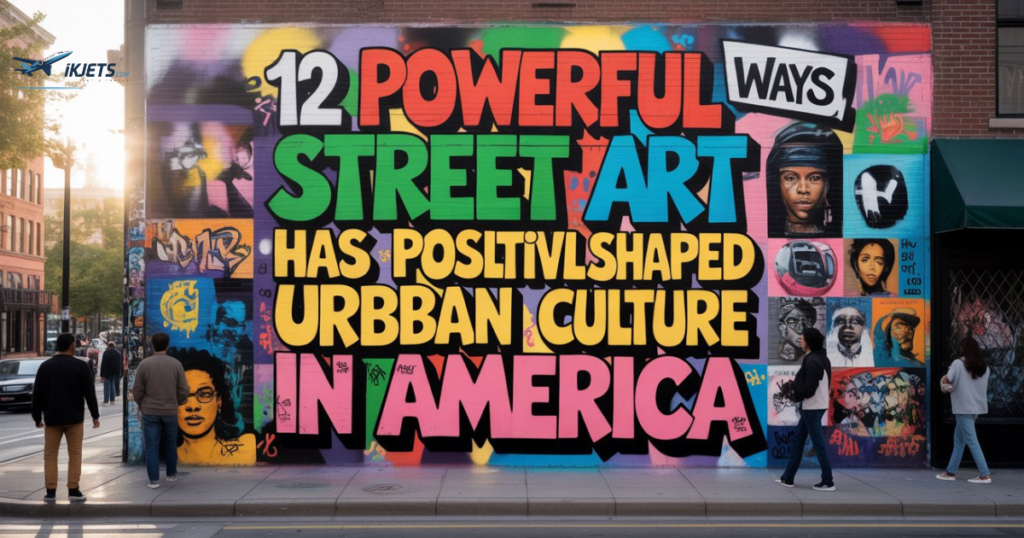
Many confuse graffiti with street art, but they are distinct in purpose and execution. Graffiti emphasizes personal tags and crew identity, often focused on lettering, style, and public notoriety. It started as a form of rebellion and territorial marking, seeking recognition within peer communities. In contrast, street art encompasses murals, stencils, installations, and conceptual pieces that interact with public spaces. Street art creates visual dialogue that engages broader audiences and often carries social or political commentary.
Both forms share the goal of claiming urban space, but their approaches differ. Graffiti is spontaneous and often clandestine, while street art can be sanctioned through legal street art programs or city-sponsored initiatives. Murals invite the public to participate, reflect, and interpret, fostering community pride and interaction. By understanding the distinction, cities and cultural institutions can better support urban artists while preserving public spaces as dynamic storytelling platforms.
Graffiti’s Rise from Rebellion to Recognition
Graffiti has come a long way from its rebellious origins. Once associated with vandalism and criminal activity, it gradually gained recognition through gallery exhibitions and collaborations with museums. Artists like Jean-Michel Basquiat and Keith Haring exemplify how graffiti evolved from vandalism to art, merging raw urban expression with mainstream appreciation. Their work demonstrated that the energy and creativity of street artists could translate into culturally significant art forms without losing authenticity.
This transformation also reshaped public perception. Graffiti, once feared and criminalized, now contributes to city identity and tourism. Public murals became recognized for their ability to transform neglected urban spaces and amplify social messages. Communities began to understand that what was once considered defacement could inspire pride, dialogue, and economic activity. Street art had entered the cultural mainstream, bridging the gap between rebellion and recognition while retaining its urban edge.
Prominent Graffiti Artists and Their Influence
Numerous artists have shaped how graffiti artists influence both culture and society. Figures like Banksy, Lady Pink, Dondi White, and Futura 2000 used walls to challenge norms, comment on politics, and celebrate creativity. Their work demonstrates how street art can communicate powerful ideas while inspiring future generations of artists. These pioneers helped establish urban art as a legitimate and respected form of contemporary art.
Their influence extends beyond individual pieces. Cities that embrace murals and street art have seen improvements in community engagement and urban aesthetics. Street artists often serve as mentors, collaborating with youth programs and local initiatives. By reclaiming public spaces, they assert that urban walls are storytelling platforms that can reflect social issues, cultural identity, and community pride simultaneously, ensuring street art remains a vital part of urban culture.
Street Art as Public Art
Street art functions as more than decoration. It is a form of street art as public art, engaging citizens in cultural dialogue and inclusivity. By bringing art to sidewalks and alleys, it democratizes creativity, making it accessible to everyone rather than confined to galleries. Artists reclaim public spaces through art, transforming mundane urban settings into visually compelling and socially meaningful experiences.
Murals, stencils, and interactive installations invite participation. Communities can interpret messages, contribute to projects, and gain a sense of ownership over their environment. This interaction fosters cohesion, as neighborhoods experience firsthand how street art connects communities and culture. It becomes a shared resource, capable of shaping public consciousness while providing economic, social, and emotional benefits.
Murals and Urban Revitalization
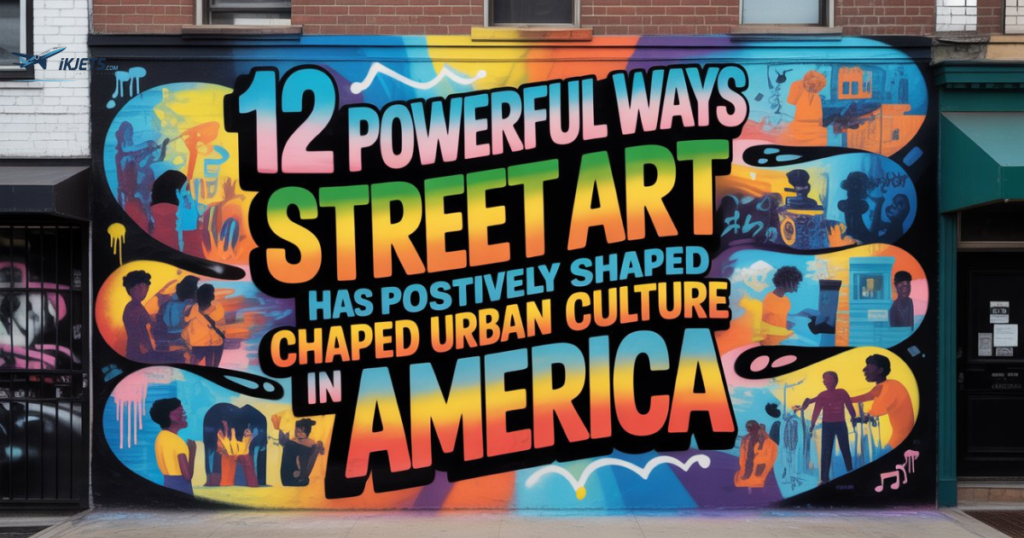
Murals play a critical role in urban revitalization, breathing life into neglected neighborhoods. They increase foot traffic, attract local businesses, and contribute to placemaking, turning overlooked streets into vibrant destinations. Studies have shown that well-executed murals not only beautify but also positively influence property values, encouraging investment and community engagement.
Beyond economics, murals enrich cultural identity. They tell stories of history, struggle, and aspiration, reinforcing the unique character of each neighborhood. By transforming neglected spaces into interactive galleries, street art illustrates how murals contribute to placemaking while fostering pride and social cohesion, ultimately revitalizing entire communities through creativity.
Community Identity and Social Impact
Public murals strengthen community identity and social impact by giving marginalized groups a voice and creating spaces for collective reflection. They highlight social issues, celebrate heritage, and encourage inclusivity, reinforcing neighborhood pride. Street art empowers communities to reclaim public space, fostering dialogue and shared understanding.
Artists frequently collaborate with local groups, schools, and organizations to ensure that murals reflect authentic experiences. By doing so, communities see their culture visually represented in public, making graffiti gives voice to marginalized groups and creating opportunities for recognition, empathy, and engagement across diverse populations.
Legal Street Art Programs and City-Sponsored Initiatives
Cities have realized that supporting legal street art benefits both artists and communities. Programs in Los Angeles, Miami, and Berlin allow murals on designated walls, reducing vandalism while promoting street art festivals attract tourism. Such initiatives encourage artists to innovate while contributing positively to urban environments.
City-sponsored mural programs also provide economic and social incentives. By creating platforms for professional artists, local governments ensure urban art thrives responsibly. Legal frameworks foster collaboration, allow educational projects, and highlight the cultural significance of street art as more than aesthetic enhancement, reinforcing how artists reclaim public space through art safely and effectively.
Street Art Tourism and Economic Benefits
Vibrant street art scenes generate street art tourism, drawing visitors eager to experience murals and cultural districts. From Wynwood Walls in Miami to Philadelphia’s Magic Gardens, tourists contribute to local businesses, increasing foot traffic and generating revenue. Murals support local economic growth, demonstrating that art can have tangible financial benefits.
Tourism also encourages cultural exchange. Visitors engage with local narratives and learn about community identity through visual storytelling. Murals support local economic growth by creating memorable experiences that combine culture, commerce, and creativity, making street art an essential driver of urban economic development.
Street Art in Contemporary Art Galleries and Museums
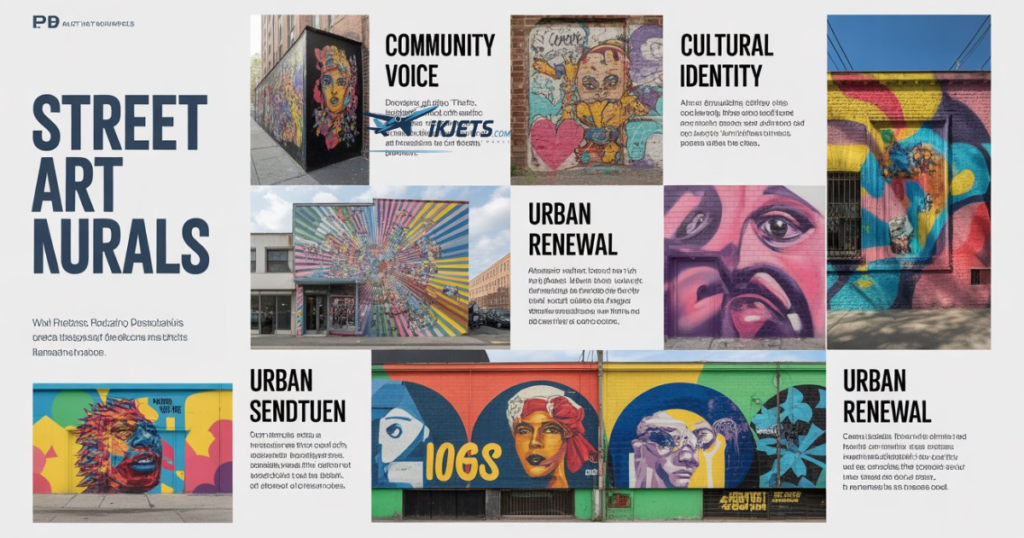
The inclusion of street art in galleries and museums reflects its legitimacy and cultural significance. Exhibitions featuring urban artists educate audiences about the history and impact of graffiti, bridging the gap between streets and institutions. Street art galleries and museums showcase how urban expression now inspires and informs mainstream art appreciation.
This institutional recognition also preserves the history of street art. Curated shows highlight influential pieces and chronicle movements like hip-hop graffiti and contemporary murals. By placing graffiti in educational contexts, museums emphasize its artistic, social, and cultural relevance, ensuring future generations understand its profound urban impact.
Future of Street Art in American Cities
The future of street art in American cities is collaborative, digital, and community-focused. Augmented reality, interactive murals, and neighborhood projects make art more engaging and accessible. Street art shapes modern urban identity by creating dynamic visual dialogue that evolves alongside urban populations.
Emerging trends focus on inclusivity, sustainability, and technology integration. Street artists are experimenting with digital mapping, projection art, and eco-friendly materials, demonstrating that creativity can drive innovation. As cities evolve, street art will continue to create visual dialogue that enriches public space, nurtures identity, and inspires communities nationwide.
Conclusion
Street art has transformed American cities into vibrant, inclusive, and culturally rich spaces. From rebellious graffiti tags to massive murals, it has become a catalyst for urban revitalization, tourism, and social cohesion. By engaging communities, promoting economic growth, and shaping public identity, street art demonstrates its power to positively impact urban culture, making cities more expressive, connected, and alive.
FAQs:
What is the difference between graffiti and street art?
Graffiti focuses on personal tags and crew identity, while street art includes murals, stencils, and installations. Both transform urban walls into storytelling platforms.
How has street art impacted communities in the USA?
Street art fosters community identity, gives voice to marginalized groups, and creates visual dialogue that strengthens neighborhoods.
Can street art contribute to economic growth?
Yes, murals attract tourists, increase foot traffic, and boost local businesses. Murals support local economic growth in revitalized urban areas.
Are there legal street art programs in American cities?
Many cities like Los Angeles and Miami sponsor murals and festivals. Legal street art programs reduce vandalism and promote creative expression.
Who are some influential graffiti artists in America?
Artists such as Banksy, Jean-Michel Basquiat, Keith Haring, Lady Pink, and Dondi White shaped the street art movement USA and inspired future generations.
How does street art enhance urban revitalization?
Murals transform neglected spaces into cultural hubs, increase property values, and contribute to placemaking and neighborhood pride.