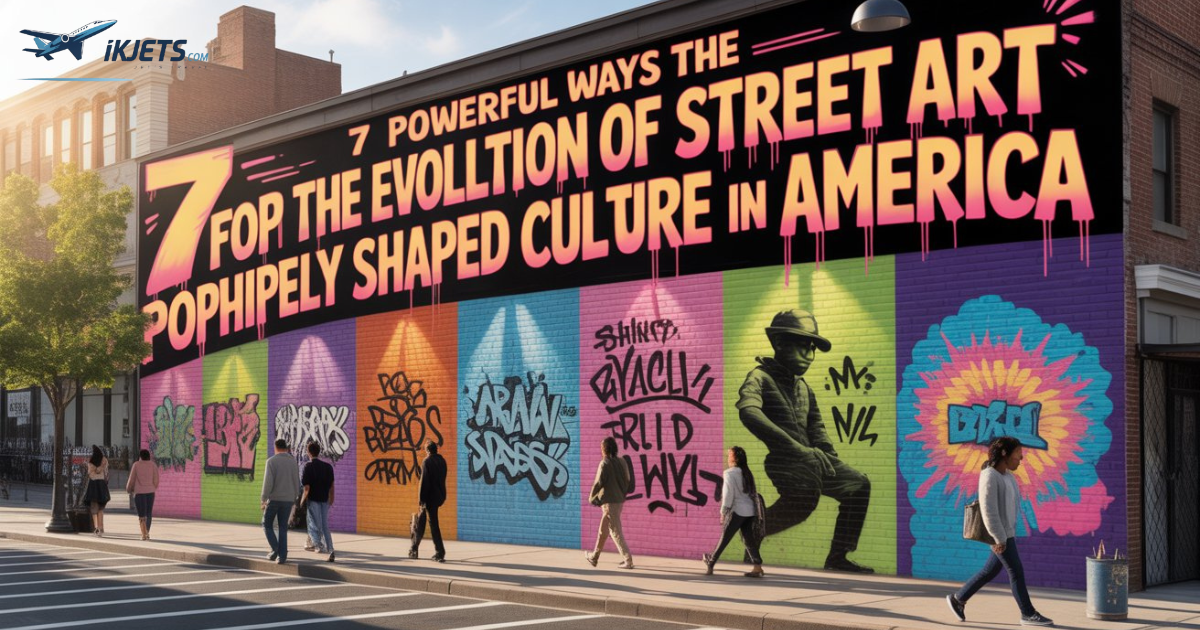
7 Powerful Ways the Evolution of Street Art Positively Shaped Urban Culture in America
Summary : Street art has transformed the landscapes of American cities, turning blank walls and abandoned buildings into vibrant expressions of creativity. From graffiti tags in New York City subway cars to sprawling murals in Philadelphia, street art transformed neglected urban spaces into cultural landmarks. It is more than just decoration; it is a way for communities to express identity, pride, and social commentary. Over decades, the evolution of street art shows how creativity can reshape neighborhoods, influence tourism, and strengthen community bonds.
Graffiti began as youth expression in cities, giving marginalized groups a voice in public spaces. It evolved from simple tags into sophisticated murals that communicate stories, history, and culture. The history of graffiti in America is tied closely to urban street art culture, hip-hop, and local identity. Today, public murals and street art programs highlight the importance of art as both a visual and social catalyst, creating lively spaces where people gather, interact, and connect.
Table of Contents
Graffiti Gave Voice to Marginalized Groups
In the 1970s and 80s, young artists in New York and Philadelphia used graffiti to communicate their presence and experiences. Graffiti gives voice to marginalized groups, allowing them to reclaim spaces where their perspectives were often ignored. Writers like Jean-Michel Basquiat and Lady Pink turned tagging into storytelling, sharing messages about race, community struggles, and urban life. Graffiti’s visibility helped communities communicate with one another and with the wider city, creating dialogue in public spaces that once felt neglected.
By transforming walls into platforms for urban walls as storytelling platforms, graffiti became more than vandalism—it became a form of social commentary. Public murals now serve as permanent voices for communities, reflecting history, resilience, and identity.
Street Art Transformed Neglected Urban Spaces
Abandoned lots, empty storefronts, and derelict streets are now blank canvases for creativity. Street art transformed neglected urban spaces into vibrant areas that attract attention, tourism, and local pride. Murals in neighborhoods like Wynwood in Miami or the East Side Gallery in Berlin-inspired U.S. artists to revitalize forgotten urban areas.
These artworks also encourage community participation. Residents feel invested in preserving the murals, leading to cleaner streets, reduced vandalism, and stronger neighborhood cohesion. Studies show that areas with public art experience higher pedestrian activity and enhanced urban vitality.
Murals Increase Foot Traffic in Neighborhoods
Art is not only cultural—it is economic. Murals increase foot traffic in neighborhoods, bringing visitors, boosting local businesses, and creating opportunities for small enterprises. In Cincinnati, Ohio, mural districts attract thousands of pedestrians each week. Shops, cafes, and galleries benefit from increased engagement, which in turn supports local economic growth.
Research demonstrates that streets featuring murals experience higher average foot traffic than non-art areas. Murals act as magnets for pedestrians, creating livelier and safer streets while integrating art with daily life.
Graffiti Reflects Social and Political Issues
From anti-war stencils to messages about racial justice, graffiti has historically reflected the pressing social and political concerns of its time. Graffiti reflects social and political issues by placing them directly in public view. Artists like Keith Haring and Banksy brought attention to AIDS awareness, LGBTQ+ rights, and economic inequality through their work.
By doing so, graffiti and street art become tools of activism. Walls are no longer passive structures—they communicate ideas, spark debate, and encourage civic participation.
Urban Walls as Storytelling Platforms
Each wall has a story, and artists use them to narrate community histories, struggles, and triumphs. Urban walls as storytelling platforms give residents a visual language to share their collective memory. Historical murals in cities like Philadelphia commemorate civil rights leaders, while murals in Los Angeles celebrate immigrant experiences.
These platforms foster intergenerational dialogue, connecting younger audiences to their local history through accessible and engaging visual mediums.
Artists Reclaim Public Space Through Art
Street art allows creators to reclaim spaces that were once overlooked or underutilized. Artists reclaim public space through art, turning alleys, underpasses, and rooftops into community assets. This practice reshapes urban perception, making people feel safer and more connected to their environment.
City-sponsored mural programs also legitimize the work, encouraging responsible creativity while keeping public spaces dynamic and inspiring.
Street Art Connects Communities and Culture
Street art builds bridges between diverse community members. Street art connects communities and culture by reflecting local values, traditions, and contemporary narratives. Festivals, mural walks, and art tours create shared experiences, fostering cultural exchange and dialogue.
This connection is especially important in gentrifying neighborhoods, where murals help preserve local identity and give residents a sense of ownership over change.
Murals Contribute to Placemaking
Murals contribute to placemaking, turning ordinary streets into landmarks and destinations. Public art enhances walkability, draws tourism, and strengthens the character of neighborhoods. Cities like Philadelphia, San Francisco, and Los Angeles have successfully integrated murals into urban design strategies to make areas more inviting and cohesive.
Placemaking through murals encourages civic pride and encourages people to linger in public spaces, reinforcing the social and economic life of urban areas.
Graffiti Evolved From Vandalism to Art
Graffiti’s evolution from illegal tagging to celebrated art shows the transformative power of creativity. Graffiti evolved from vandalism to art, gaining acceptance in galleries, museums, and private collections. Artists such as Basquiat, Haring, and Lady Pink helped shift perceptions, proving that street art can be both raw and refined, rebellious yet culturally significant.
This evolution demonstrates that art is not limited to traditional venues; public spaces themselves can serve as valuable platforms for cultural expression.
Street Art Festivals Attract Tourism
Events like Cincinnati’s BLINK Festival or Miami’s Art Basel have turned street art into a tourist attraction. Street art festivals attract tourism, drawing millions of visitors annually. These events celebrate local creativity, encourage international collaboration, and generate revenue for the city through hospitality, retail, and cultural programs.
Festivals also elevate local artists, giving them exposure and opportunities to sell artwork, workshops, and experiences.
Murals Influence Property Values
Public art can enhance neighborhood appeal and economic potential. Murals influence property values by making districts more attractive for residents and investors. Research indicates that areas with sanctioned murals experience gradual increases in real estate interest, supporting sustainable urban regeneration while maintaining community character.
Murals balance revitalization with cultural preservation, ensuring neighborhoods grow without losing identity or artistic heritage.
Public Art Strengthens Neighborhood Identity
At its core, street art reinforces community identity. Public art strengthens neighborhood identity by celebrating local stories, heroes, and histories. Residents take pride in their surroundings, while visitors gain a deeper understanding of the city’s culture and diversity.
This empowerment transforms communities, fostering respect, recognition, and a lasting legacy of creativity that continues to shape modern urban identity.
Table: Positive Impacts of Street Art in American Cities
| Impact Area | Example | Result |
|---|---|---|
| Foot Traffic | Cincinnati murals | Increased visitors, safer streets |
| Tourism | Miami Wynwood Walls | International recognition, revenue boost |
| Community Pride | Philadelphia Mural Arts | Stronger local identity, engagement |
| Economic Growth | LA Venice Walls | Support for small businesses and galleries |
| Cultural Expression | NYC Subway graffiti | Historical storytelling, activism |
Street art is no longer just decoration or rebellion. It has become a powerful tool to reshape urban street art culture, drive tourism, and enhance communities. By transforming walls into narratives, connecting neighborhoods, and celebrating creativity, street art shapes modern urban identity, proving that art in public spaces is as valuable as any museum or gallery.
Conclusion
Street art has dramatically shaped urban street art culture in America. From its roots in graffiti to colorful public murals, it transforms urban spaces into platforms for expression, dialogue, and creativity. Street art connects communities and culture, supports local economies, attracts tourism, and fosters neighborhood pride. By reclaiming walls for art, American cities are more inclusive, vibrant, and visually inspiring than ever, proving that creativity in public spaces is essential to modern urban identity.
FAQs:
What is the difference between graffiti and street art?
Graffiti focuses on stylized lettering and tagging, emphasizing personal or crew identity, while street art as public art includes murals, stencils, and installations that often carry social or political messages.
How do murals affect neighborhoods?
Murals contribute to placemaking by attracting foot traffic, boosting local businesses, increasing property values, and strengthening neighborhood identity. They turn neglected urban spaces into vibrant cultural hubs.
Can graffiti be considered true art?
Yes, graffiti evolved from vandalism to art, gaining recognition in galleries, museums, and through legal street art programs. It offers a platform for cultural storytelling and community expression.
How does street art support local economies?
Murals support local economic growth by driving tourism, creating jobs during festivals like BLINK or Wynwood Walls, and inspiring cultural events that energize neighborhoods.
Which U.S. cities are best for street art?
New York, Philadelphia, Los Angeles, Miami, and Chicago are key hubs showcasing public murals in American cities, with thriving urban street art culture and strong community engagement.