Critical Workforce Crisis: FAA Human Factors Policies Failing Aviation Maintenance in 2025
Summary: The Federal Aviation Administration (FAA) plays a critical role in ensuring aviation safety across the United States. Every day, aircraft maintenance errors and maintenance technician human error can threaten flight safety if not properly managed. The FAA develops strict aviation maintenance safety regulations, guidance programs, and inspection standards to reduce these risks. Through initiatives like the FAA human factors program, it addresses the root causes of aircraft inspection errors and promotes a stronger safety culture among technicians. Understanding how the FAA implements policies, monitors maintenance operations, and trains personnel is essential to preventing accidents and improving overall aircraft maintenance risk factors.
The Federal Aviation Administration (FAA) actively addresses these issues through regulations, guidance, and FAA human factors program initiatives. These programs aim to reduce human error in aircraft inspection, improve maintenance documentation errors, and enhance overall aviation maintenance safety culture. Yet, challenges persist as workforce shortages and fatigue place enormous strain on technicians.
Table of Contents
Understanding Human Factors in U.S. Aviation Maintenance Operations
Human factors in aviation maintenance involve how technicians interact with machines, tools, and information. Factors such as attention span, decision-making under stress, and fatigue directly affect aircraft inspection errors. Even a highly skilled Aviation Maintenance Technician (AMT) can make mistakes when overloaded, highlighting the importance of managing human limitations in aviation maintenance.
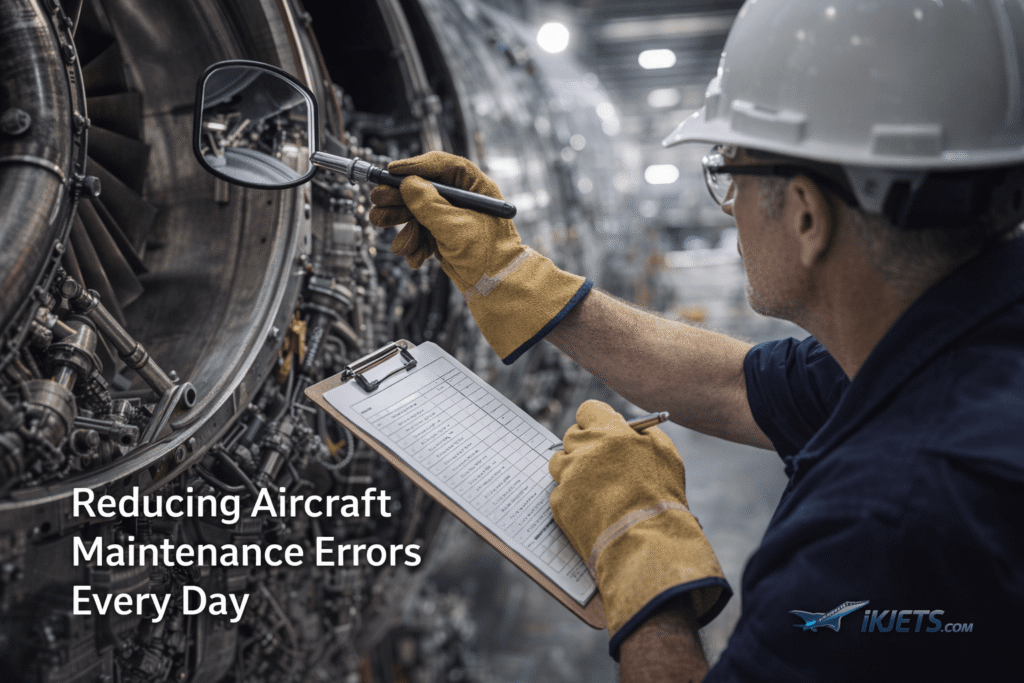
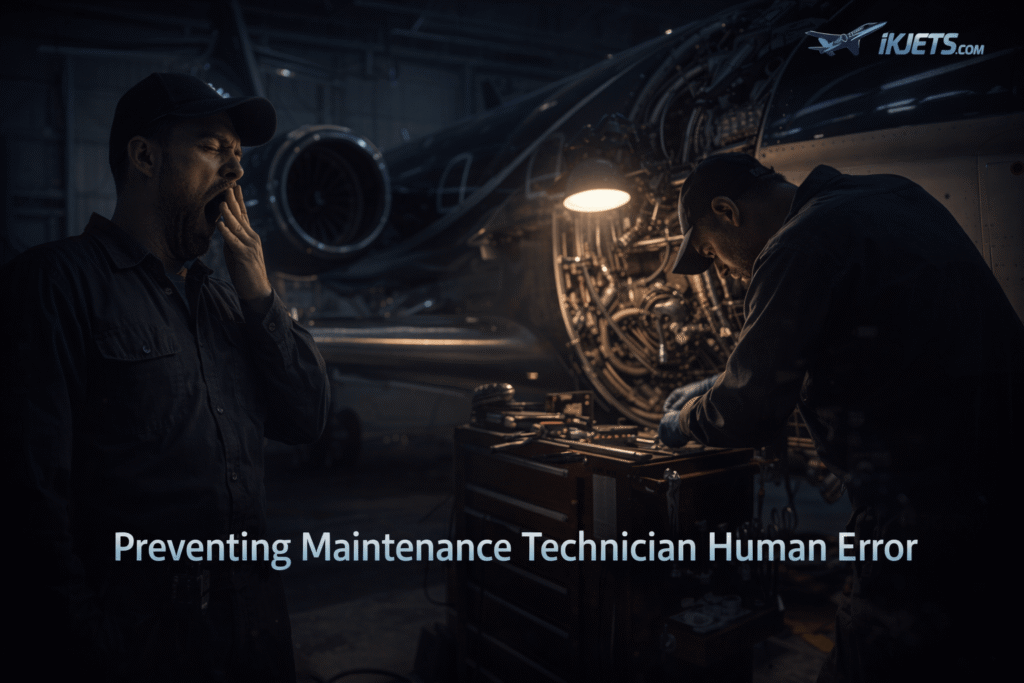
Technicians working night shifts or long hours are especially vulnerable. Aircraft mechanic fatigue and fatigue and circadian rhythm disruption reduce focus and increase the likelihood of maintenance induced accidents. Understanding these human limitations is essential for building a safer aviation technician work environment and implementing maintenance error prevention strategies that protect passengers and crew.
Key Human Performance Elements Affecting Maintenance Safety
Attention to detail is crucial in every maintenance task. Errors often occur due to parts installed incorrectly, missing aircraft components, or latent maintenance errors that remain hidden until later inspections. The Swiss Cheese model aviation safety shows that multiple small errors can align to create a serious safety incident.
Shift turnover communication, proper written vs face-to-face handover, and structured task preparation time all reduce risks. Studies indicate that effective maintenance log documentation and systematic error reporting through the Aviation Safety Reporting System (ASRS) help track and mitigate these risks.
FAA Policies Governing Human Factors in Aviation Maintenance
The FAA sets standards to guide human factors in aviation maintenance in the USA. These include advisory circulars, FAA aviation maintenance regulations, and requirements for safety management systems (SMS). These policies aim to reduce human error in aircraft inspection and promote maintenance error management across both hangar and line operations.
The FAA also provides support through FAA grants aircraft mechanics programs to encourage training and workforce growth. By addressing aircraft mechanic shortage USA, these programs aim to strengthen aviation maintenance safety culture nationwide. Compliance with these policies ensures that technicians can perform tasks with minimal risk.
Real-World Challenges Facing U.S. Maintenance Teams Today
Maintenance teams face numerous challenges. Staffing shortages, aging aircraft, and shift work aviation maintenance create pressure that increases aircraft maintenance risk factors. Technicians working long hours or night shifts experience human limitations in aviation maintenance, making errors more likely.
Even highly trained AMTs face challenges in confined space aircraft maintenance or dealing with advanced technology. Predictive maintenance technologies and augmented reality in aircraft maintenance offer solutions, but adoption varies across operators. Table 1 below shows common challenges and impacts.
| Challenge | Impact on Safety | Examples |
|---|---|---|
| Shift work aviation maintenance | Fatigue, attention lapses | Night shift aircraft mechanics |
| Aircraft mechanic shortage USA | Increased workload, delayed tasks | Overbooked hangars |
| Aging aircraft | Higher inspection errors | Legacy Boeing or Airbus models |
| Maintenance documentation errors | Latent maintenance errors | Incomplete log entries |
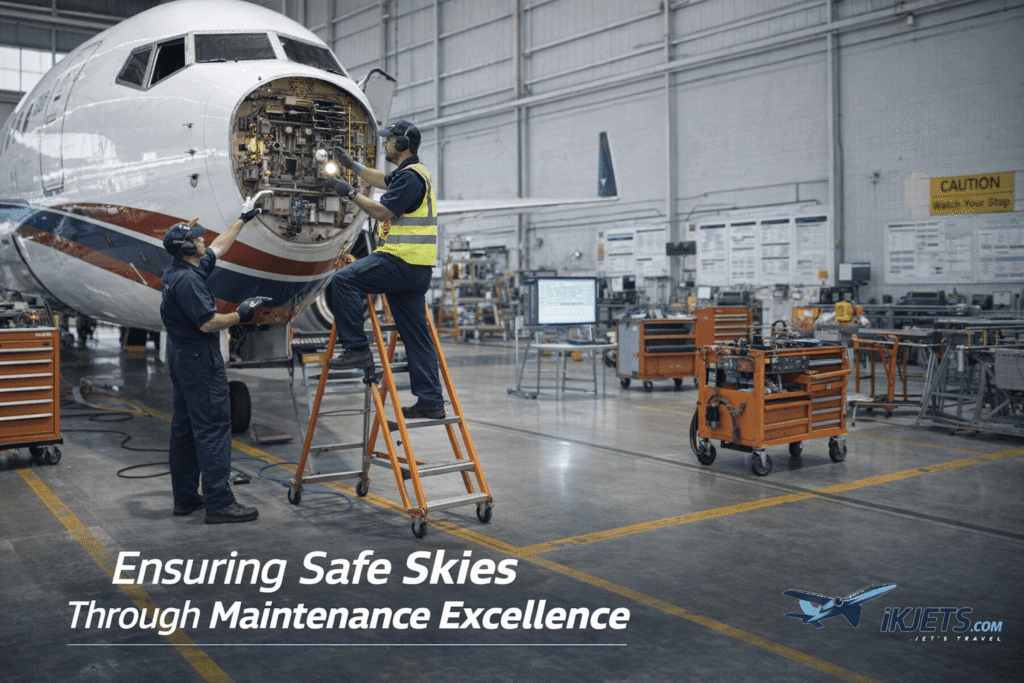
The Aviation Maintenance Workforce Crisis in the USA
The United States faces a critical aircraft mechanic shortage USA. Many experienced AMTs are retiring, and enrollment in training programs remains low. This shortage magnifies aviation maintenance human factors, as fewer technicians manage more tasks, increasing maintenance technician human error.
The Aviation Technician Education Council (ATEC) and FAA initiatives like FAA hfskyway human factors programs aim to recruit and train new talent. However, maintaining a strong pipeline is challenging. Addressing workforce gaps is essential to reduce aircraft maintenance risk factors and maintain aviation maintenance safety standards.
Technology, Training, and the Future of Human Factors Mitigation
New technology is helping reduce human errors in aviation maintenance. Predictive maintenance technologies, augmented reality in aircraft maintenance, and robotics improve precision and reduce maintenance induced accidents. Meanwhile, enhanced training emphasizes attention to detail in aircraft maintenance and proper maintenance task preparation time.
Combining advanced tools with strong aviation maintenance safety culture allows technicians to make fewer mistakes. Big data aviation safety and blockchain aircraft maintenance records create transparency and traceability, helping airlines spot latent maintenance errors before they become serious. Human skill and technology together make aviation safer than ever.
Why Addressing Human Factors Matters for U.S. Aviation Safety
Improving human factors in aviation maintenance in the USA is essential for passenger safety. Every maintenance decision, from inspections to documentation, can prevent aircraft safe operation risks. Airlines, regulators, and technicians must prioritize maintenance error prevention and enforce robust aviation maintenance safety culture practices.
Ultimately, focusing on human factors protects lives, enhances aircraft reliability, and ensures the United States remains a global leader in aviation safety. The FAA, ICAO, and OSHA frameworks provide guidance, but success depends on implementing these standards daily in hangars, ramps, and line maintenance operations.
Conclusion
Addressing human factors in aviation maintenance in the USA is vital for keeping aircraft safe and reliable. The Federal Aviation Administration (FAA), through regulations, FAA human factors program, and training initiatives, works to minimize aircraft maintenance risk factors and reduce maintenance technician human error. As the industry faces challenges like aircraft mechanic shortage USA and long shift work aviation maintenance, implementing strong safety practices, proper documentation, and fatigue management becomes even more important. Combining advanced technology, effective communication, and human-centered training can prevent aircraft inspection errors and latent maintenance mistakes. Ultimately, prioritizing human factors ensures safer skies, stronger maintenance culture, and confidence for both technicians and passengers.
FAQs:
What are the aviation maintenance issues in 2025?
Key issues include aircraft mechanic shortages, aging fleets, long shift work aviation maintenance, and rising human error in aircraft inspection.
What are the FAA changes for 2025?
The FAA is updating aviation maintenance regulations, expanding the FAA human factors program, and supporting predictive maintenance technologies to reduce errors.
Is 2025 a bad year for aviation?
Not entirely, but challenges like workforce shortages and increasing aircraft maintenance risk factors create higher pressure on safety.
What percentage of maintenance errors are caused by human factors?
Studies show approximately 60–80% of aviation maintenance errors stem from maintenance technician human error.
What are the dirty dozen in human factors of aviation?
The Dirty Dozen include lack of communication, complacency, lack of knowledge, distraction, fatigue, lack of resources, pressure, stress, lack of teamwork, personal problems, norms, and procedures.