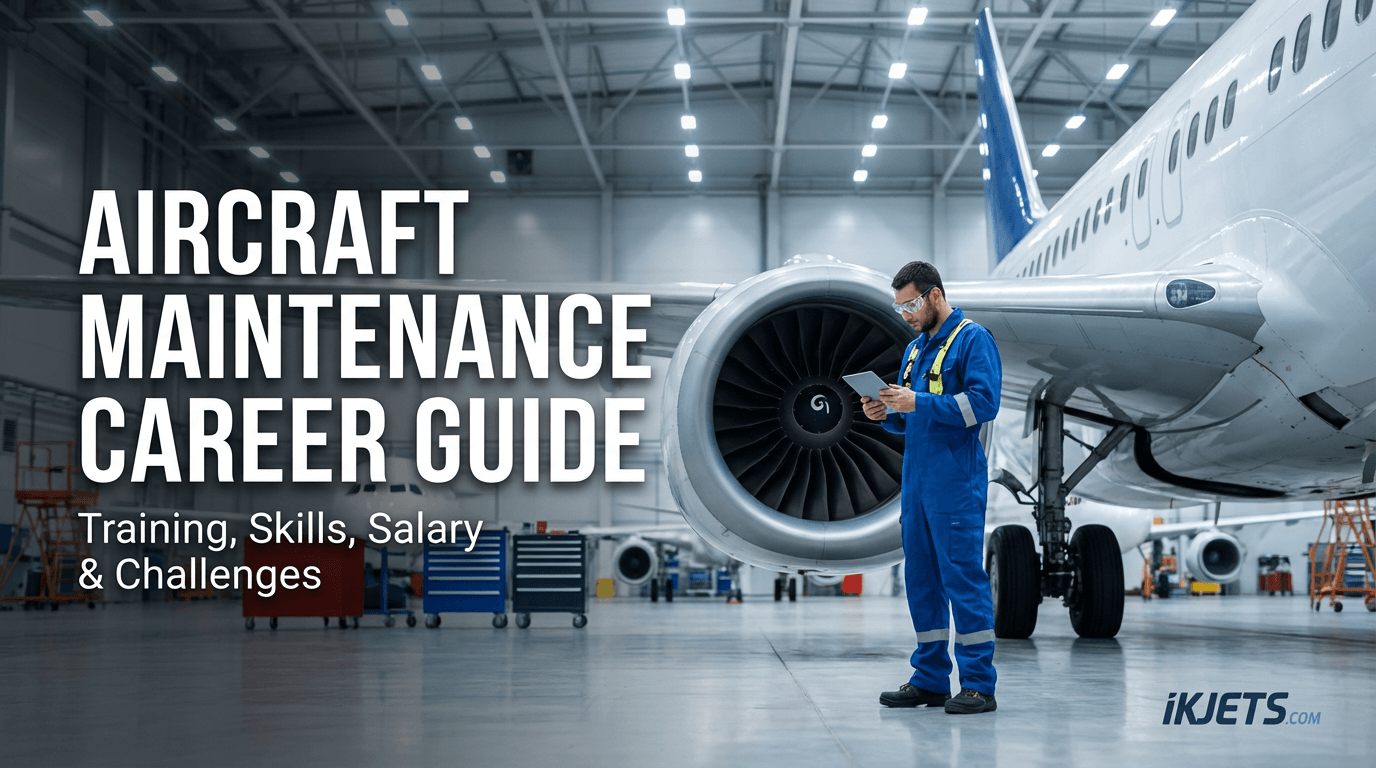
Top 7 Reasons to Launch a Thriving Aircraft Maintenance Career: Training, Skills, Salary & Challenges
Summary: Aircraft maintenance is one of the most exciting and in-demand careers in the USA. The aviation industry is growing rapidly, creating a huge demand for skilled aircraft maintenance technicians. A career in aviation maintenance offers competitive salaries, opportunities for growth, and the chance to work with cutting-edge aviation technology. Whether you are fascinated by airplanes or want a stable job, aircraft maintenance can be your ideal path. This guide explores the top seven reasons to launch a successful aviation maintenance career, including training, skills, salary, challenges, and safety aspects.
The global aviation maintenance industry is expanding due to aging aircraft and increasing commercial airline operations. This has led to a significant aircraft mechanic shortage in the USA. Every day, technicians perform inspections, repairs, and preventive maintenance to ensure aircraft safety. Understanding the nuances of aircraft maintenance safety and maintenance repair and overhaul (MRO) processes can open doors to a fulfilling career.
Table of Contents
1. High Demand for Aircraft Maintenance Professionals
The USA faces a growing aircraft maintenance job demand. Airlines and private operators need skilled technicians to keep aircraft safe and operational. Reports from the Federal Aviation Administration (FAA) indicate that over the next decade, tens of thousands of aviation maintenance technicians will be required to replace retiring staff and meet industry growth. This shortage creates strong job security and opportunities for those entering the field now.
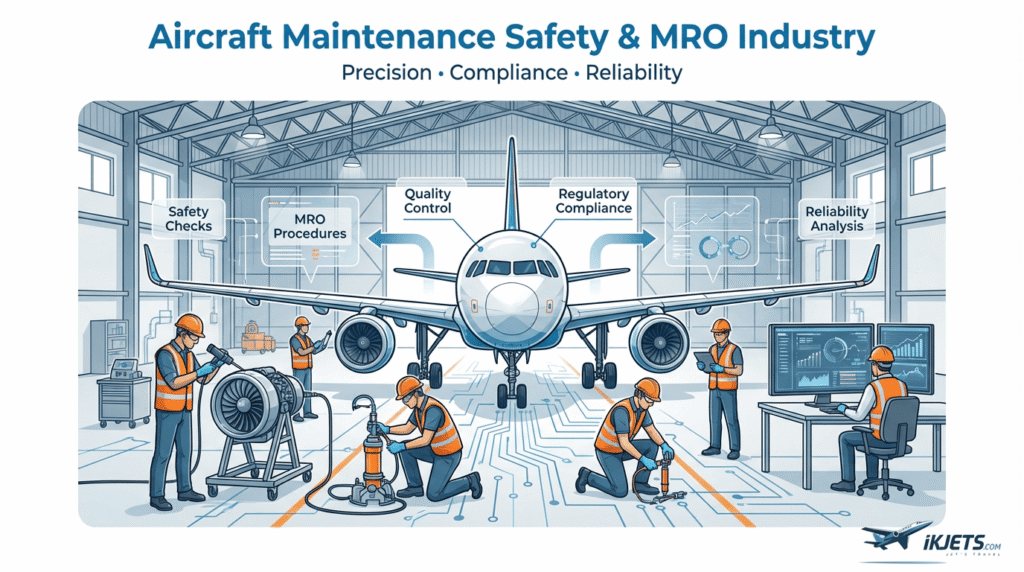
In addition to commercial aviation, the MRO industry is thriving. Companies offering maintenance, repair, and overhaul services seek qualified staff with airframe and powerplant license credentials. Job opportunities exist in airports, airline hubs, and independent maintenance organizations. Aircraft maintenance career paths can include roles like line maintenance, inspection, or avionics systems maintenance, providing variety and long-term growth.
2. Competitive Salaries and Benefits
One of the biggest attractions of an aircraft maintenance career is salary potential. Entry-level aircraft maintenance technicians can earn around $50,000 annually, while experienced staff with an A&P license often make $80,000 to $100,000 per year. Specialized positions in powerplant maintenance or avionics systems maintenance can push earnings even higher.
Benefits often include healthcare, retirement plans, travel privileges, and paid training programs. The table below illustrates typical aircraft maintenance technician salaries in the USA:
| Position | Average Salary (USD) | Certification Required | Experience Level |
|---|---|---|---|
| Entry-Level AMT | 50,000 | AMT Certification | 0-2 years |
| Experienced Technician | 80,000 | A&P License | 3-7 years |
| Senior Aircraft Mechanic | 100,000+ | A&P + Specialized Training | 8+ years |
| MRO Supervisor | 110,000+ | A&P + Management Skills | 10+ years |
With strong demand and benefits, a career in aviation maintenance offers financial stability and growth.
3. Comprehensive Training and Certification Opportunities
Training is the foundation of a successful aircraft maintenance career. Prospective technicians can enroll in aviation tech schools or aviation maintenance school programs approved by the FAA. Courses cover aircraft hydraulics maintenance, airframe inspection, powerplant maintenance, and avionics systems maintenance. Hands-on experience through apprenticeships is critical for learning preventive and corrective maintenance procedures.
Certifications such as the A&P license, FAA aircraft maintenance certification, and specialized AMT certifications increase job prospects and earning potential. Training programs vary in length, usually ranging from 18 months to 2 years, depending on the school. Learning about non-destructive testing (NDT), safety management systems (SMS), and organizational learning in aviation is essential for long-term career success.
4. Career Advancement and Growth Opportunities
A career in aircraft maintenance is not stagnant. Technicians can move from line maintenance roles to supervisory positions or specialized jobs like MRO supervisors. Skills in aviation maintenance technology, aircraft overhaul procedures, and hazard identification in aircraft maintenance make professionals highly valuable.
The aviation maintenance career growth potential is strong in the USA. Experienced technicians can transition into roles in safety audits, regulatory compliance, or airline maintenance operations. Learning from past incidents and implementing safety communication stages helps technicians develop into leaders who contribute to the safety culture in aviation.
5. Variety of Work Environments and Aircraft Types
A major perk of this career is diversity. Aircraft maintenance technicians work on commercial jets, private planes, military aircraft, and helicopters. Each aircraft type presents unique challenges and learning opportunities, from airframe inspection to preventive maintenance of complex avionics systems.
Work environments vary from hangars to airport tarmacs. Technicians might face shift work in aviation maintenance, physical demands, and outdoor conditions. However, the dynamic nature of the work keeps it interesting. Exposure to frontline maintenance staff operations and experience feedback models ensures technicians are continuously learning.
6. Contribution to Aviation Safety and Technology
Every task performed by aircraft maintenance technicians directly impacts aviation safety. Through hazard identification and risk management (HIRM), mandatory occurrence reporting (MOR), and safety investigation reports, technicians prevent incidents before they occur. Knowledge of ICAO Annex 13, Annex 19, and the Safety Management Manual (SMM) is essential for maintaining international safety standards.
Technicians also play a role in advancing aviation technology. Working on aircraft hydraulics maintenance, powerplant maintenance, and avionics systems maintenance exposes professionals to innovations in aviation systems. Learning from past safety investigations and applying double-loop learning strengthens both skills and the broader safety culture in aviation.
7. Overcoming Challenges in Aircraft Maintenance Careers
Despite the benefits, aircraft maintenance comes with challenges. Long hours, irregular schedules, and high responsibility can cause aircraft maintenance stress. Physical demands such as lifting heavy components, climbing aircraft, and working in tight spaces require strength and endurance. Questions like is aircraft maintenance hard are common, but preparation and proper training make it manageable.
Technicians overcome these challenges through teamwork, safety communication, and adhering to aircraft maintenance safety management practices. Organizations often implement voluntary reporting systems and organizational learning in aviation to reduce errors and support staff. The rewards of solving complex problems, ensuring aircraft maintenance safety, and contributing to aviation growth make the career deeply fulfilling.
Conclusion
Launching a thriving aircraft maintenance career in the USA offers stability, competitive salaries, and diverse work opportunities. With the aircraft mechanic shortage, high demand for aviation maintenance technicians, and robust MRO job opportunities, now is the perfect time to enter the field. By completing aircraft maintenance training programs, earning certifications like the A&P license, and learning about aviation safety frameworks, aspiring technicians can secure a rewarding career.
Aircraft maintenance is more than a job—it’s a chance to ensure the safety of millions while enjoying a dynamic, challenging, and growth-oriented career in the heart of the aviation industry.
FAQs:
What motivates you to pursue a career in the aviation industry?
The thrill of working with advanced aircraft, contributing to safety, and the high demand for skilled technicians motivates many to join aviation.
Why is training important in aviation maintenance?
Training ensures technicians gain the skills, certifications, and hands-on experience needed for aircraft maintenance safety and effective repairs.
Can aircraft mechanics make 200k a year?
Yes, senior technicians with specialized skills, certifications, and managerial roles in MRO or airline operations can earn around $200,000 annually.
How much do 747 mechanics make?
Mechanics working on large aircraft like the 747 typically earn $80,000–$120,000 annually, depending on experience, certifications, and location.
What are the advancement opportunities for an aircraft mechanic?
Technicians can progress to supervisory roles, specialized MRO positions, or management in airline maintenance operations.